A cracked tooth is a common yet often overlooked dental problem that can lead to pain, sensitivity, and long-term damage if not treated early. In a busy lifestyle like Dubai, many people ignore early signs of tooth discomfort until it becomes severe.
At Royal Phoenix Clinic, we focus on early diagnosis and advanced dental care to protect your natural smile and prevent complications. Understanding the causes, symptoms, and treatment options for a cracked tooth can help you take quick action and save your tooth.
What is a Cracked Tooth?
A cracked tooth refers to a fracture or split in the tooth structure. The crack may be small and invisible or deep enough to reach the inner layers of the tooth.
Types of cracked teeth include:
- Craze lines – tiny surface cracks in enamel (usually harmless)
- Fractured cusp – part of the tooth breaks around a filling
- Cracked tooth extending inward – crack spreads toward the root
- Split tooth – severe crack dividing the tooth into sections
- Vertical root fracture – starts at the root and moves upward
Even minor cracks should not be ignored, as they can worsen over time and affect your overall dental care health.
Recognizing the Symptoms of a Cracked Tooth
Pain is the most common giveaway, but it’s often inconsistent. You might feel sharp discomfort only when biting down on something hard or when releasing pressure classic signs of a cracked tooth.
Other symptoms include:
- Sensitivity to hot, cold, or sweet foods and drinks
- Swelling around the affected tooth or gum
- Pain that comes and goes, making it hard to pinpoint the exact tooth
- A feeling that something is “off” when chewing
Many patients describe the pain as electric or fleeting, especially with temperature changes common in Dubai’s air-conditioned malls and outdoor heat. If these sound familiar, don’t wait professional dental care is essential.
Common Causes of a Cracked Tooth
A cracked tooth can happen suddenly or develop over time due to repeated stress on the teeth.
Main causes include:
- Chewing hard foods like ice, nuts, or hard candies
- Teeth grinding (bruxism), especially during sleep
- Large fillings that weaken tooth structure
- Sudden temperature changes in the mouth
- Trauma or injury to the face or mouth
- Age-related wear and tear
Risk factors you should know
People who have had multiple dental restorations or untreated grinding habits are more prone to a cracked tooth. Ignoring dental care routines can increase the risk over time.
How Dentists Diagnose a Cracked Tooth
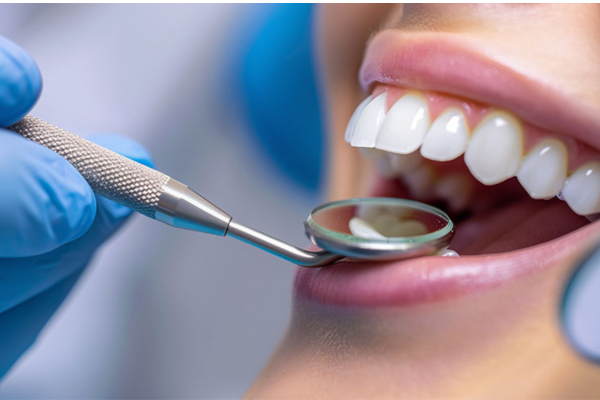
Diagnosis isn’t always straightforward because cracks can be microscopic. Your dentist will start with a detailed history of your symptoms and examine the tooth visually.
Special tools like a dental dye, transillumination light, or bite tests help reveal hidden fractures. X-rays may be used, though they don’t always show cracks clearly advanced imaging at modern clinics provides clearer insights.
At Royal Phoenix Clinic in Dubai, our general dentistry specialists use state-of-the-art technology for accurate diagnosis, ensuring nothing is missed.
Treatment Options for a Cracked Tooth
The right treatment depends on the severity, location, and depth of the crack.
Common treatment options include:
- Dental bonding
Used for minor cracks to restore shape and strength using tooth-colored resin. - Dental crowns
A crown covers and protects a cracked tooth, preventing it from worsening. - Root canal treatment
Required if the crack reaches the pulp (nerve), removing infection and saving the tooth. - Tooth extraction (severe cases)
If the tooth is severely damaged beyond repair, removal may be necessary followed by replacement options.
Importance of early treatment
Early treatment can often save a cracked tooth without major procedures. Delaying care may lead to infection, tooth loss, or more complex dental care treatments.
At Royal Phoenix Clinic, we focus on minimally invasive solutions to preserve your natural smile whenever possible.
How to Fix a Cracked Tooth Naturally: Temporary Relief
Many wonder, “How to fix a cracked tooth naturally?” The honest answer is that teeth cannot truly repair themselves like other body tissues. However, certain at-home steps can provide short-term comfort while you arrange professional dental care.
Here are safe, evidence-based options for temporary relief:
- Saltwater rinse: Mix 1 teaspoon of salt in warm water and swish gently for 30 seconds, 2–3 times daily. It reduces bacteria and soothes inflammation.
- Cold compress: Apply an ice pack wrapped in cloth to the outside of your cheek for 15 minutes to ease swelling and numb pain.
- Clove oil: A drop on a cotton ball applied to the area offers natural numbing (dilute if sensitive).
- Soft diet and avoidance: Skip hard, sticky, or crunchy foods to prevent worsening the crack.
- Over-the-counter pain relief: Ibuprofen or acetaminophen can help manage discomfort following package instructions.
These methods support comfort but are not cures. They buy time until you see a dentist—delaying professional help risks infection or further damage.
Healthy Smile Tips to Prevent Cracked Teeth
Prevention is far easier than treatment. Simple daily habits strengthen teeth and reduce risk dramatically.
Incorporate these healthy smile tips:
- Brush twice daily with fluoride toothpaste and floss once a day to remove plaque that weakens enamel.
- Wear a custom mouthguard if you grind your teeth or play sports.
- Avoid using teeth as tools—never open bottles or crack nuts this way.
- Maintain a balanced diet rich in calcium and vitamin D for strong enamel.
- Schedule regular dental check-ups every six months for early detection.
These steps, combined with mindful eating in Dubai’s vibrant food scene, keep your smile resilient.
When to Seek Immediate Dental Care in Dubai
A cracked tooth may start with mild or occasional discomfort, but certain symptoms indicate that you should seek immediate professional dental care. Early treatment can prevent infection, worsening pain, and possible tooth loss.
You should visit a dentist immediately if you notice:
- Sharp or persistent pain while chewing or biting
- Sensitivity to hot, cold, or sweet foods that doesn’t go away
- Pain that comes and goes without a clear reason
- Swelling around the tooth or gums
- Visible cracks or damage in the tooth
- Discomfort when releasing bite pressure
- Signs of infection such as pus or bad taste in the mouth
Why early treatment is important
Delaying treatment for a cracked tooth can allow bacteria to enter the inner layers of the tooth, leading to infection or nerve damage. In severe cases, this may result in root canal treatment or even tooth extraction.
At Royal Phoenix Clinic in Dubai, early diagnosis helps preserve your natural tooth and reduces the need for complex procedures. Prompt dental care ensures better outcomes and faster recovery.
Book Your Consultation Today
FAQs
1. Can a cracked tooth heal on its own?
No, a cracked tooth does not heal naturally and requires professional dental care treatment.
2.How to fix a cracked tooth naturally at home?
Home remedies like saltwater rinses or cold compresses offer temporary pain relief only. They cannot repair the crack—see a dentist promptly for lasting results.
3.What happens if a cracked tooth is not treated?
It can worsen over time, leading to infection, severe pain, or tooth loss.
4.What foods should I avoid with a cracked tooth?
Avoid hard, sticky, or crunchy foods that can worsen the crack.
5.How can I prevent a cracked tooth?
Stay hydrated, avoid extreme temperature swings in food/drinks, and follow healthy smile tips like regular check-ups at a local clinic.